For Galvanized Profiles For Energy Systems
MORE"

Structural steel profiles are among the core engineering solutions that combine durability, safety, and efficiency in modern construction technologies. Thanks to their high strength, ductile behavior, and long service life, they are widely used today in residential buildings, industrial facilities, energy projects, and infrastructure investments. Furthermore, the fact that steel is a recyclable material makes it an important component of sustainable building practices.
Applications of Structural Steel Profiles
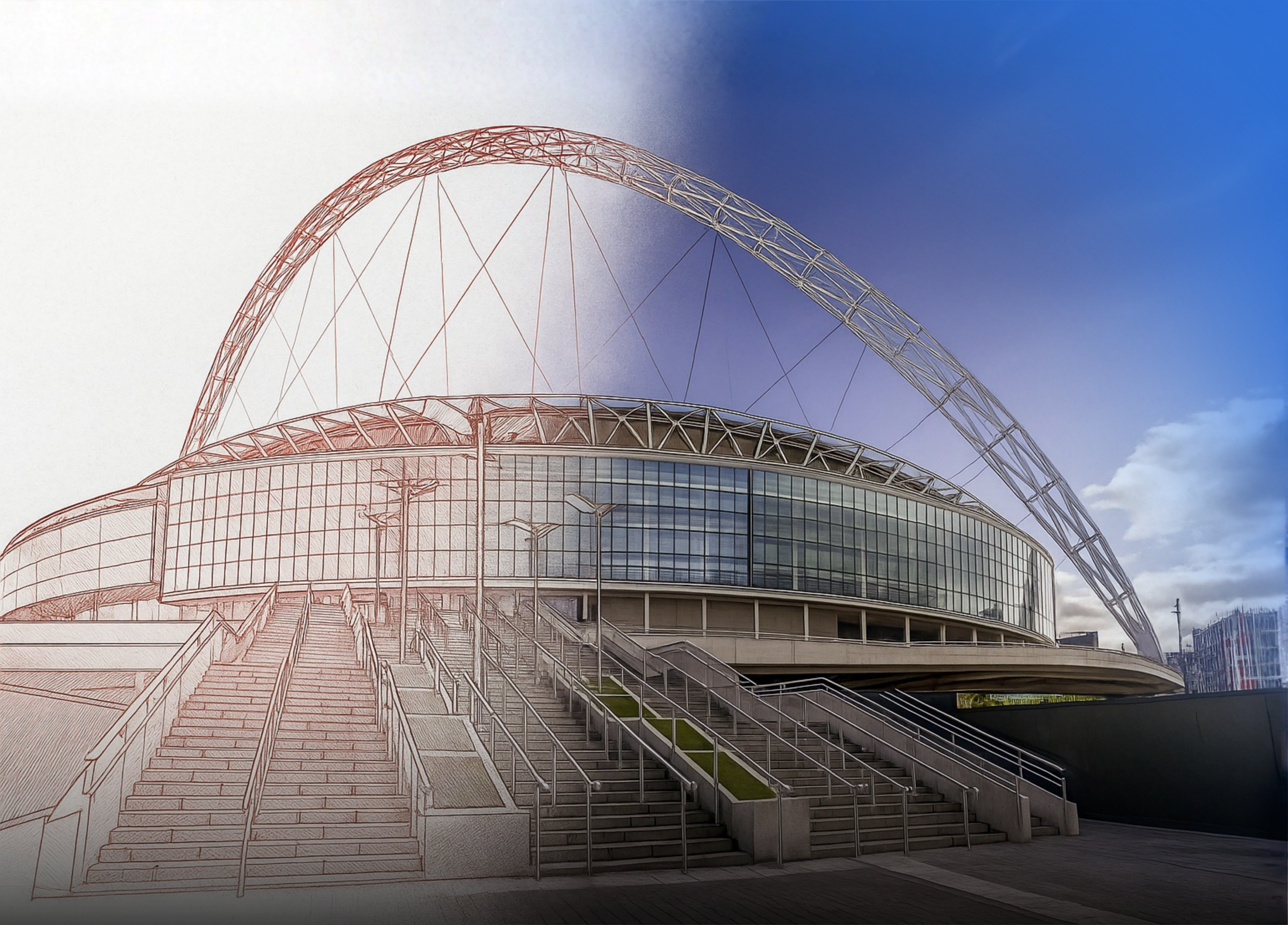
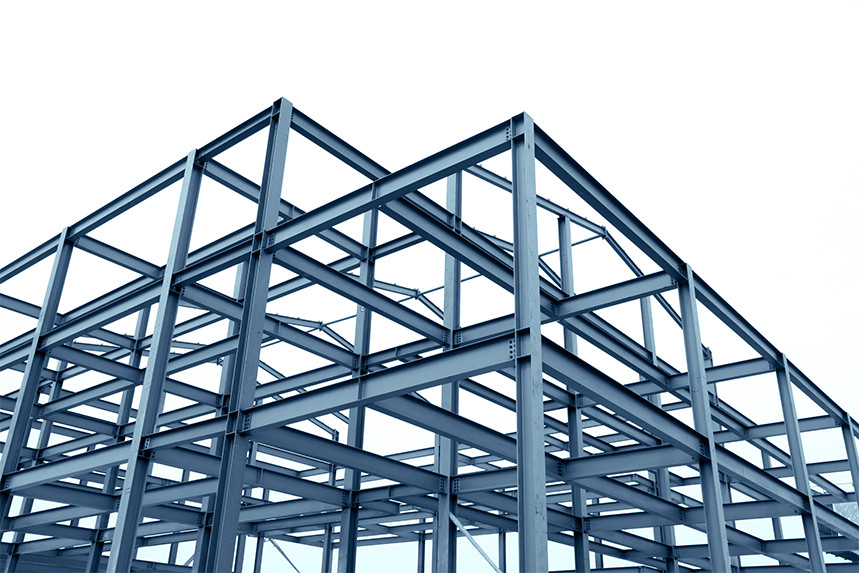
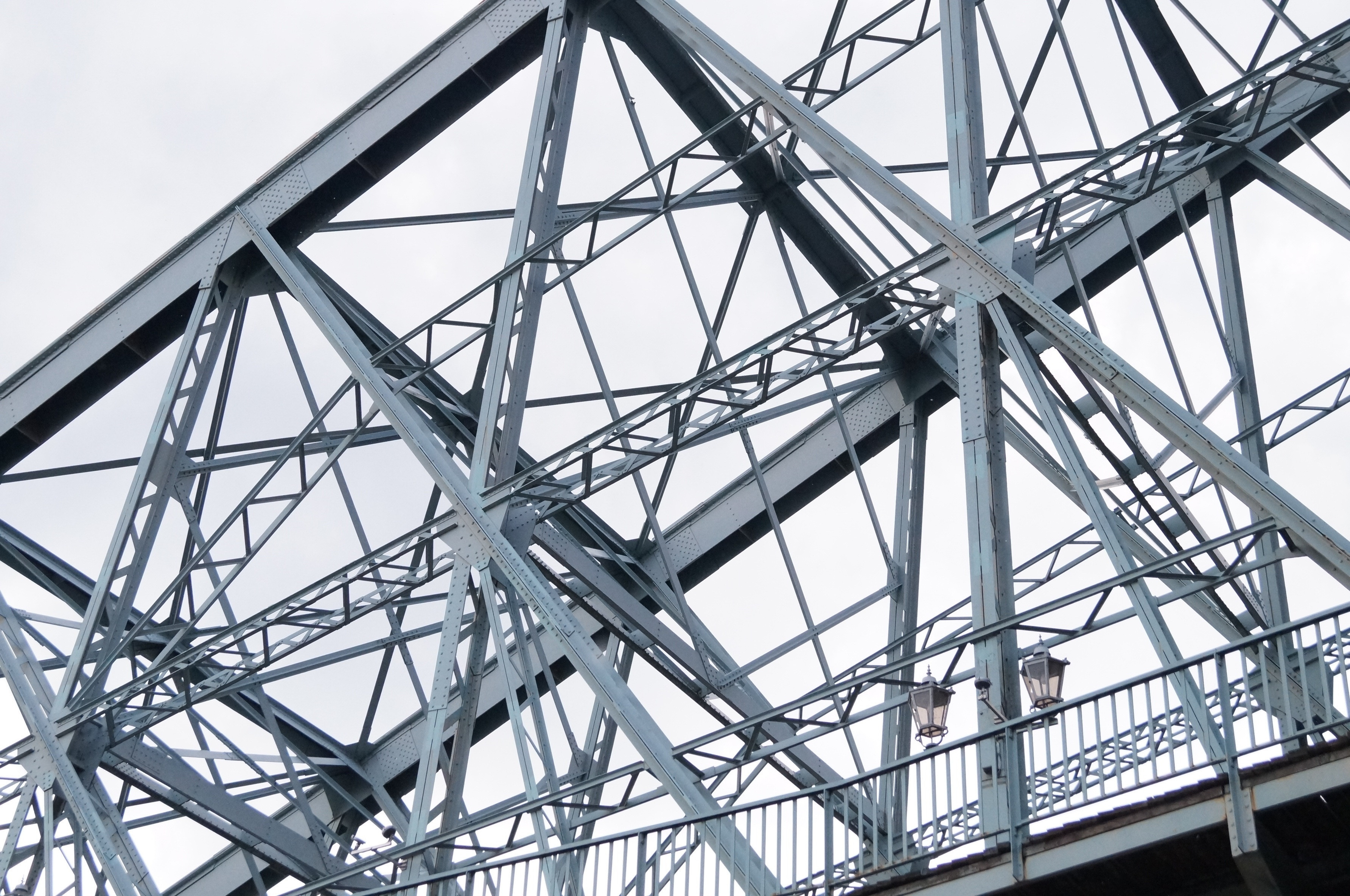
Structural steel profiles are widely used in the building, infrastructure, energy, industrial, and mining sectors. In industrial and commercial buildings, they serve as primary load-bearing elements such as beams, columns, and roof structures. In bridge and viaduct construction, they provide safe and reliable solutions through their high load-bearing capacity.
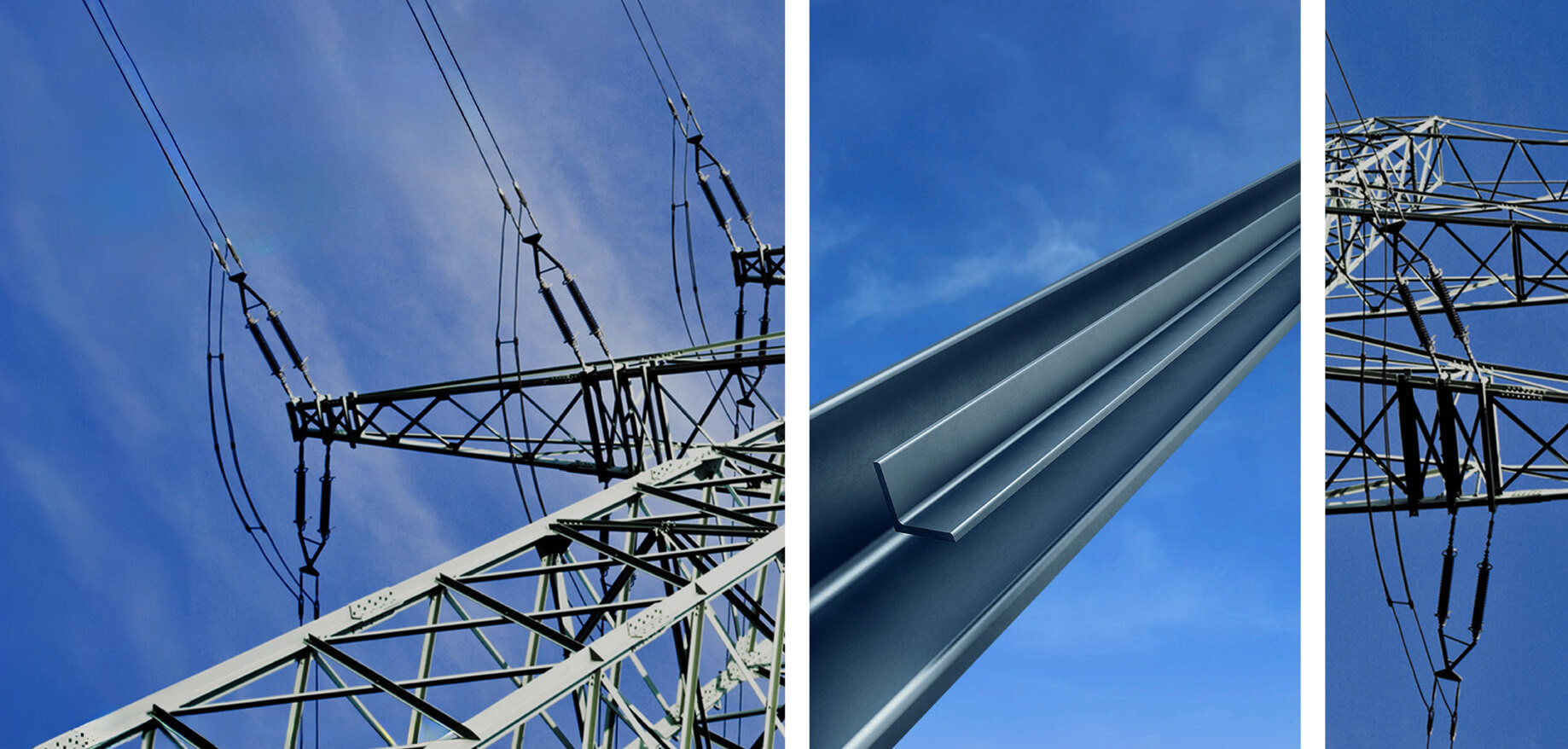
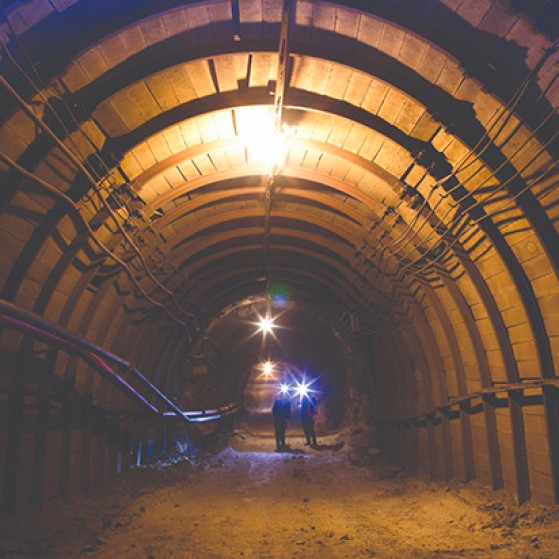
Within the energy sector, structural steel profiles enhance structural stability in solar power plant mounting systems and power transmission lines. In mining and tunneling applications, they contribute to the formation of safe support and reinforcement systems against challenging geological conditions.
Technical and Economic Advantages
Structural steel profiles improve structural safety while optimizing material usage by offering high load-bearing capacity per unit weight. Compared to reinforced concrete systems, they can achieve similar or higher strength with slimmer cross-sections, reducing overall structural weight and lowering foundation and load-bearing system costs.
Their production under controlled factory conditions and rapid on-site assembly significantly
shortens construction timelines and improves overall project efficiency.
Seismic Performance and Durability
One of the most important characteristics of steel structural systems is their ductile behavior. This property allows structures to dissipate seismic energy during earthquakes, reducing the risk of collapse. As a result, steel structures are increasingly preferred in regions located within seismic zones.
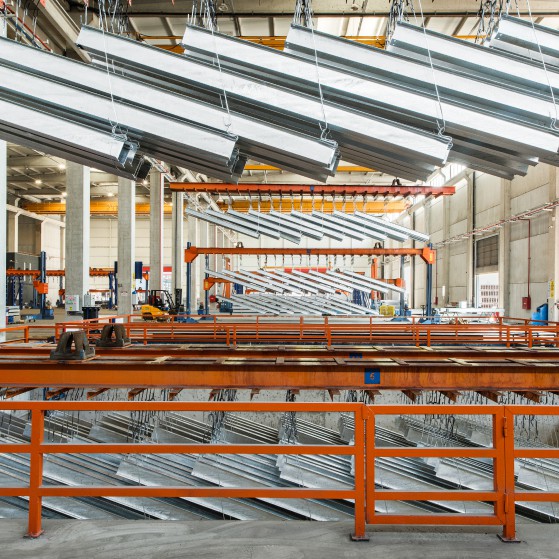
Structural steel profiles enhanced with galvanization and similar surface treatments offer increased corrosion resistance, longer service life, and low maintenance requirements.
Sustainability and Recycling
In terms of sustainability steel stands out as one of the strongest examples of circular economy approach. According to information published by the World Steel Association (worldsteel), steel is among the most recycled engineering materials worldwide. The organization states that more than 25 billion tons of steel have been recycled and reused globally since 1900.*
This capability allows steel to be recycled repeatedly without compromising its structural performance, contributing to reduced natural resource consumption and lower environmental impact. In this respect, structural steel profiles represent a strategic building material for low-carbon construction targets and sustainable urban development.
Flexible Solutions with a Wide Product Range
Structural steel profiles include a broad range of products such as I- and H-sections, U and C channels, angles, and specialized profiles for tunnel and mining applications. This diversity enables the development of tailored solutions to different loading conditions and engineering requirements.
Structural steel profiles continue to provide reliable solutions for modern infrastructure and superstructure projects thanks to their high strength, lightweight design, ease of installation, and sustainability advantages. Steel, playing a vital role in future building technologies, meets today's engineering needs while also providing a strong and long-lasting foundation for structures developed with environmental responsibility in mind.
*WorldSteel Association / Wider Sustainability - Circular Economy